
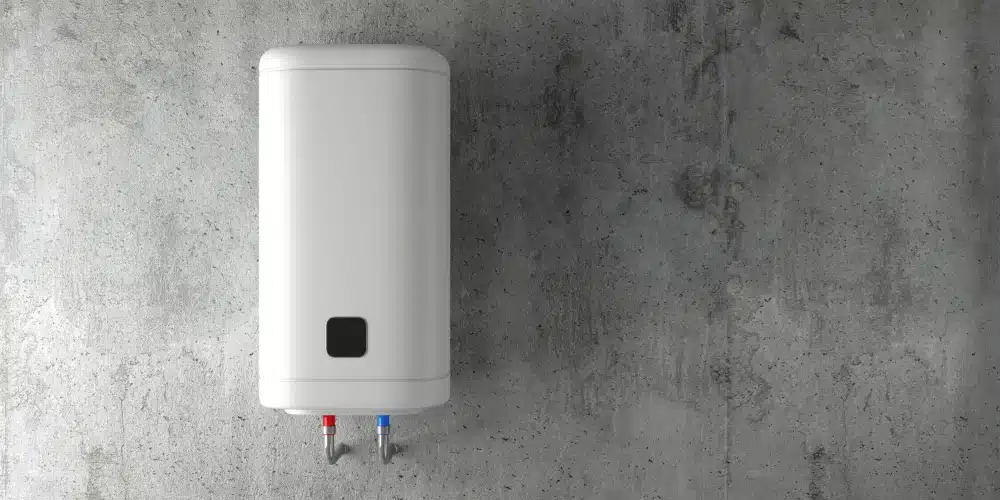
Choosing a water heater comes down to three decisions: tank or tankless, gas or electric, and the right size for your household. Get those three right, and you’ll have reliable hot water for a decade or more without overpaying for capacity you don’t need. This guide breaks down each decision specifically for Vancouver’s housing stock, gas rates, and rebate programs.
Tank vs. Tankless Water Heaters: Which Is Right for You?
The biggest decision is whether to keep a traditional tank or switch to an on-demand tankless unit. Each comes with a different upfront cost, lifespan, and day-to-day performance tradeoff.
Storage Tank Water Heaters: Pros, Cons & Cost
Traditional storage tank heaters keep 40–80 gallons of hot water ready at all times. They’re the most affordable option upfront, typically $700–$1,500 installed, and work with any home’s existing plumbing without modification. The tradeoff is standby heat loss, they use energy continuously to keep water hot even overnight when nobody needs it, and they last 10–12 years on average.
Tanks make the most sense for households on a tighter budget, homes without adequate gas pressure for a tankless unit, or older houses where retrofitting plumbing would be costly.
Tankless (On-Demand) Water Heaters: Pros, Cons & Cost
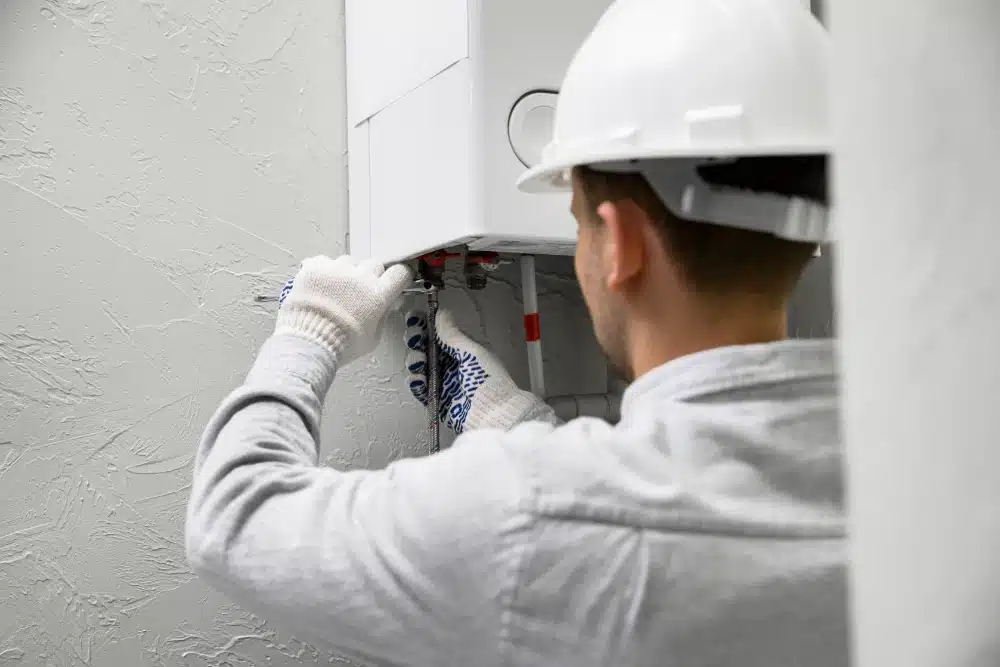
Tankless units heat water only when a tap is running, which eliminates standby heat loss entirely. They run up to 30% more efficiently than tank units, last 20+ years, and never run out of hot water mid-shower. The tradeoff is a higher installed cost, typically $2,000–$4,500 for a whole-home gas unit, and the need for sufficient gas supply or electrical capacity to run it.
Tankless is the better fit for households with high or simultaneous hot water demand, homeowners planning to stay long-term, or anyone prioritizing lower energy bills.
Tank vs. Tankless at a Glance
The numbers above can be a lot to hold in your head at once, so here’s how the two options stack up side by side.
| Storage Tank | Tankless | |
|---|---|---|
| Installed cost | $700–$1,500 | $2,000–$4,500 |
| Lifespan | 10–12 years | 20+ years |
| Energy efficiency | Standard | Up to 30% more efficient |
| Hot water supply | Limited by tank size | Unlimited (on-demand) |
| Best for | Tight budgets, older homes | Long-term homeowners, high-demand households |
Gas vs. Electric Water Heaters in Metro Vancouver
Once you’ve picked tank or tankless, the next question is fuel source, and in Metro Vancouver, that decision is shaped by two things: historically lower natural gas rates and one of the cleanest electricity grids in North America.
Gas Water Heaters: When They Make Sense
Gas tankless units offer fast recovery and high output, which makes them a strong fit for families of three or more who run multiple hot water fixtures at once. Because natural gas rates in Metro Vancouver have historically undercut electricity for heating large volumes of water quickly, gas remains the default choice for most mid-size and larger households.
Electric & Heat Pump Water Heaters: When They Make Sense
Electric tankless units can work well for smaller households, but they typically require a significant electrical upgrade — often a 200A service panel — to run properly. Heat pump water heaters are the standout option in this category: they run 3–4 times more efficiently than standard electric units and qualify for CleanBC rebates, making them a strong long-term value pick even with a higher upfront cost.
BC Hydro’s Clean Grid: Does Electric Make More Sense Here Than Elsewhere?
Vancouver’s electricity supply is unusual compared to most of North America, and that changes the math on whether electric is worth considering.
- BC Hydro’s electricity is about 97% hydro-generated, among the cleanest grids in North America
- That means an electric or heat pump water heater in Vancouver carries a much smaller carbon footprint than the same unit would in a coal- or gas-heavy grid
- For homeowners prioritizing emissions reduction over pure operating cost, this tips the calculation toward electric — even where gas remains cheaper to run
What Size Water Heater Does Your Household Need?
Sizing matters as much as the tank-vs-tankless and gas-vs-electric decisions. Undersize it and you’ll run cold mid-shower; oversize it and you’re paying to heat water you don’t use.
Sizing by Household
The right size mostly comes down to how many people are drawing hot water day to day, and the table below gives a starting point for both tank and tankless units.
| Household Size | Recommended Tank | Recommended Tankless Flow Rate |
|---|---|---|
| 1–2 people | 30–40 gallon | 6–8 GPM |
| 3–4 people | 40–50 gallon | 8–10 GPM |
| 5+ people | 50–80 gallon | 10–12 GPM |
Sizing for Simultaneous Fixture Use
Household size alone doesn’t tell the whole story for tankless units, what matters just as much is how many fixtures run hot water at the same moment. A shower uses roughly 2 GPM and a dishwasher pulls about 1.5 GPM, so running both simultaneously already requires at least 3.5 GPM of capacity. Most families need meaningfully more headroom than that once laundry, multiple bathrooms, or peak-morning usage are factored in.
CleanBC & FortisBC Rebates for Vancouver Homeowners
British Columbia offers real financial incentives for choosing an efficient water heater, and most Vancouver homeowners qualify for at least one of them.
Heat Pump Water Heater Rebates
The Province’s CleanBC Better Homes program currently offers up to $1,000 toward qualifying heat pump water heaters. FortisBC also provides separate incentives for homeowners switching from electric to a high-efficiency gas unit, which can meaningfully offset the higher upfront cost of a tankless system.
How Main Drain Mechanical Helps You Claim Them
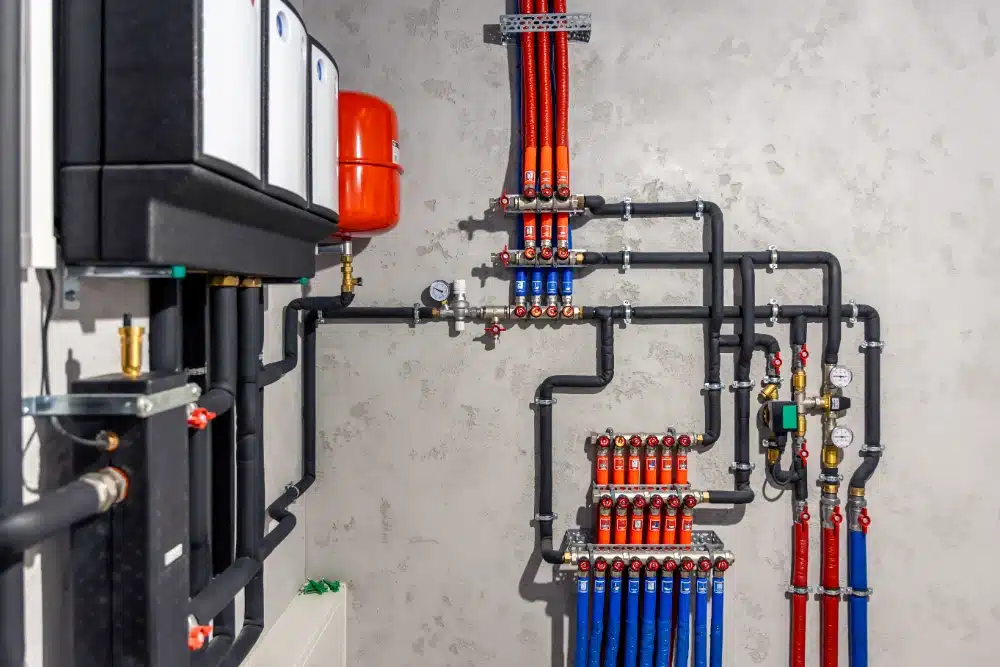
Rebate programs are only useful if you actually qualify and file correctly, which is where a lot of homeowners lose the incentive without realizing it. Our Red Seal certified technicians confirm which CleanBC and FortisBC rebates apply to your specific installation before any work begins, and handle the paperwork alongside the installation itself — so the rebate isn’t something you have to chase down after the fact.
Installation Considerations Specific to Vancouver Homes
Vancouver’s mix of older character homes, newer builds, and condos means the “right” water heater on paper isn’t always straightforward to install. A few things worth confirming before you commit to a unit:
- Gas pressure and venting configuration vary significantly across Greater Vancouver’s older housing stock, and not every home can support a high-output tankless unit without upgrades
- Electrical panel capacity matters for electric or heat pump units — many older homes need a panel upgrade before a 200A-dependent unit can go in
- A permit is required for water heater installation in BC, and skipping it can cause problems at resale or with insurance claims
- Professional assessment from a licensed technician catches these constraints before installation day, not after the new unit is already on-site
Final Checklist to Choose the Best Water Heater for Yourself
Use this as a quick gut-check before you call for a quote, if you can answer all five, you already know which direction to go.
- How many people are in your household, and how many bathrooms do you run at once?: 1–2 people with one bathroom rarely justifies the extra cost of tankless. 3+ people, or a home with two bathrooms in regular use, usually does.
- Is your unit replacing a failed heater, or are you renovating/building new?: A failed heater on a weekend often means matching your existing setup (tank-for-tank, same fuel source) to avoid a longer install. A renovation or new build is the right moment to switch fuel types or go tankless, since walls and venting are already open.
- Does your home already have the gas pressure or electrical capacity for what you want?: If you’re eyeing tankless gas or an electric heat pump unit, this is the one question that can quietly add $500–$1,500 to your quote if the answer is no. Worth confirming before you fall in love with a specific unit.
- How long do you plan to stay in this home?: Under 5 years, the cheaper tank option usually wins on ROI. Staying long-term, tankless or heat pump systems earn back their higher upfront cost through efficiency and lifespan.
- Have you checked what CleanBC or FortisBC will actually cover? Rebates can shift the math enough to make a heat pump unit cheaper long-term than it looks on the price tag alone, but only if you confirm eligibility before, not after, installation.