

A burst pipe, sewage backup, gas smell, sudden loss of hot water, or a flooded basement all mean the same thing: stop what you’re doing and call a plumber immediately. Not every plumbing issue is an emergency, but these five specifically are — and waiting even a few hours can turn a repair into a much larger, more expensive problem. Here’s how to recognize each one and exactly what to do the moment it happens.
Emergency Severity at a Glance
Not all five signs carry the same level of danger, and knowing which is which helps you react correctly under pressure.
| Sign | Urgency Level | Immediate Action |
|---|---|---|
| Burst or leaking pipes | High | Shut off main water valve, call now |
| Sewage backup | High | Stop using water fixtures, call now |
| Sudden loss of hot water | Moderate | Call to schedule same-day service |
| Smell of gas near appliances | Critical | Evacuate immediately, call from outside |
| Flooded basement or standing water | High | Document damage, call now |
1. Burst or Leaking Pipes
A burst pipe is one of the most destructive plumbing emergencies a homeowner can face. In minutes, water can soak through drywall, warp hardwood floors, short out electrical systems, and ruin insulation. Signs include a sudden drop in water pressure, visible water stains spreading across walls or ceilings, or the sound of rushing water inside your walls.
What to Do Right Now
Every minute a burst pipe runs unchecked adds to the water damage bill, so speed matters more than anything else here. Follow these steps in order:
- Shut off your main water supply valve immediately, it’s usually located near the water meter
- Turn off electricity to any affected area if water is near outlets or fixtures
- Move furniture, electronics, and valuables away from the affected area
- Call Main Drain Mechanical for emergency pipe repair
- Take photos of the damage for insurance purposes while you wait
2. Sewage Backup
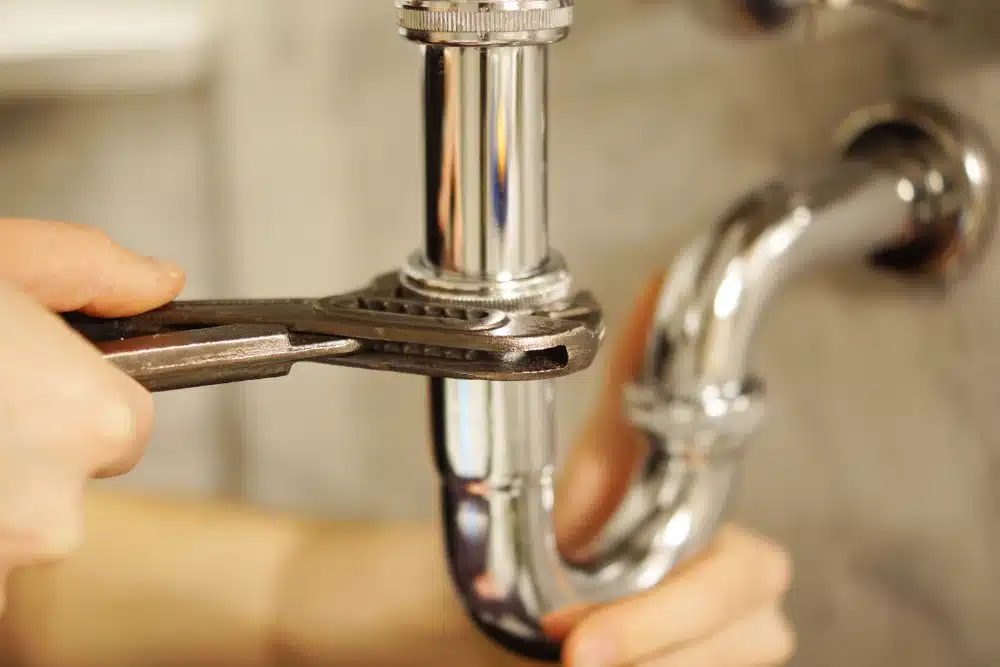
If sewage is backing up into your sinks, bathtubs, or toilets, you have a blocked or collapsed main drain line. This is a serious health hazard, sewage carries bacteria and pathogens that can contaminate your home and make your family sick. Signs include multiple drains gurgling simultaneously, foul odours rising from floor drains, or dark water pooling around your basement floor drain.
What to Do Right Now
Sewage backup is a contamination risk as much as a plumbing one, so the priority is limiting exposure before anything else. Here’s what to do:
- Stop using all water fixtures in the home immediately
- Do not flush any toilets, even if they appear to be working normally
- Keep children and pets away from the affected area
- Ventilate the space if possible by opening windows
- Call us right away, our drain and sewer team carries hydro-jetting equipment on every truck to clear blockages on the first visit
3. Sudden Loss of Hot Water
A sudden loss of hot water, especially during a cold Metro Vancouver winter, often signals a failing water heater, a broken thermocouple, a tripped pressure relief valve, or a gas supply issue. Left unaddressed, a failing water heater can leak, flood, or in gas units, pose a carbon monoxide risk.
What to Do Right Now
Most causes of sudden hot water loss aren’t something to troubleshoot yourself, especially on a gas unit. Work through this instead:
- Check if you smell gas near the unit, if yes, treat it as a gas emergency (see sign 4) and evacuate first
- Avoid resetting or opening the unit yourself, particularly on gas models
- Check for visible leaking or pooling water around the base of the tank
- Call for water heater repair, our Red Seal certified technicians are trained on all major brands and carry common replacement parts on the truck
4. Smell of Gas Near Appliances
Natural gas is odourless on its own, utility companies add mercaptan to give it a rotten egg smell so you can detect leaks. If you smell gas near your furnace, water heater, stove, or dryer, treat it as a life-threatening emergency, not a maintenance issue.
What to Do Right Now
A gas smell overrides every other instruction on this page — get out first, ask questions later. Follow these steps immediately:
- Do not use any light switches, appliances, or open flames
- Do not attempt to locate the leak yourself
- Leave the building immediately and bring everyone with you
- Call FortisBC (1-800-663-9911) from outside the home
- Once it’s confirmed safe, call Main Drain Mechanical for gas line repair and a full restoration inspection
5. Flooded Basement or Standing Water
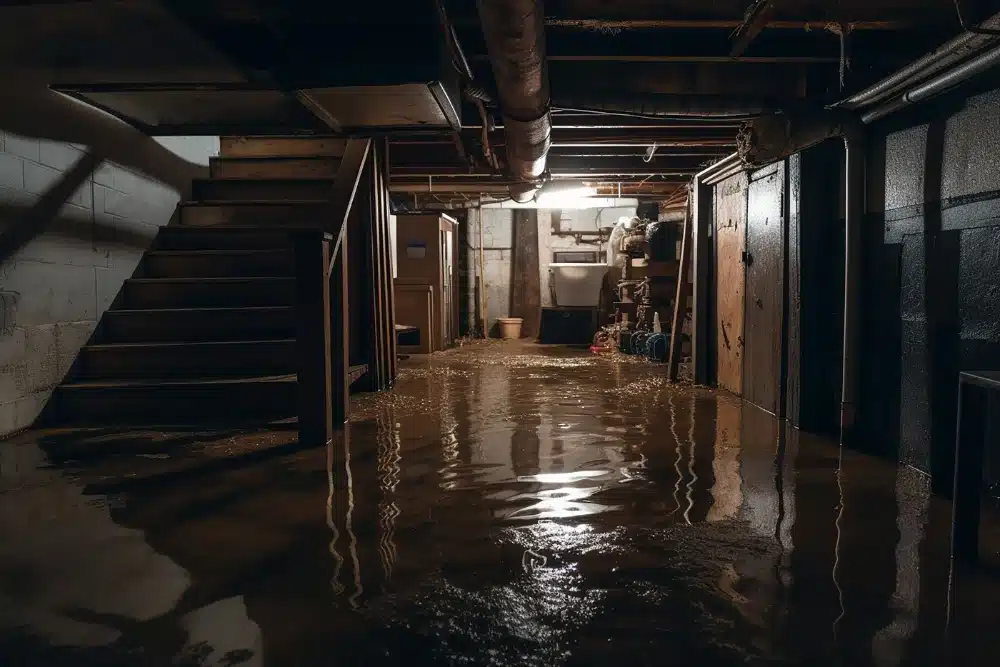
Standing water in your basement is a race against the clock. Whether caused by a failed sump pump, blocked weeping tile, cracked foundation drain, or a burst supply line, the longer it sits, the more damage it does. Mould can start forming within 24–48 hours in Greater Vancouver’s wet climate.
What to Do Right Now
Standing water is as much a mould-prevention race as a plumbing fix, so speed and documentation both matter. Here’s the order to work in:
- Avoid walking through standing water if it’s near any electrical outlets or panels
- Document the damage thoroughly with photos and video for insurance purposes
- Move any belongings, furniture, or stored items out of the affected area
- Call us for emergency sump pump service and drainage repair before mould has a chance to take hold
How Fast Should Help Arrive?
Plumbing emergencies don’t follow business hours, and neither does the right response. Main Drain Mechanical dispatches certified emergency plumbing technicians across Greater Vancouver around the clock, with a target on-site response time of under two hours — not a next-day appointment window that leaves water damage spreading in the meantime.
Final Checklist: Is This Actually a Plumbing Emergency?
Not every plumbing issue needs a 2 a.m. call. Run through these questions to confirm:
- Is water actively flowing where it shouldn’t be? Active leaks, bursts, or backups can’t wait, every hour adds to the damage.
- Do you smell gas anywhere in the home? If yes, this overrides every other question. Evacuate and call FortisBC first.
- Is the issue affecting your only bathroom or water supply? No working toilet or no water at all is a same-day emergency, even without visible damage.
- Has standing water been sitting for more than a few hours?. Mould risk starts within 24–48 hours in Vancouver’s climate, don’t wait it out.
- Is the problem getting worse, or has it stabilized? A slow drip that’s stable can usually wait for a scheduled appointment. Anything actively worsening should be treated as an emergency.
If you answered yes to any of the first four, stop reading and call, that’s exactly the situation emergency plumbing service exists for.