

A well-maintained HVAC system runs efficiently, lasts years longer, and won’t leave you without heat on a cold January night. Greater Vancouver’s climate is deceptively demanding on heating and cooling systems, pushing furnaces hard through wet winters while increasingly hot summers make AC less of a luxury and more of a necessity. This checklist covers exactly what to do each season to keep your system running at peak performance.
Why Seasonal HVAC Maintenance Matters in Greater Vancouver
Most HVAC failures don’t happen out of nowhere — they build up over a season of skipped filter changes, blocked vents, or a furnace that never got its fall tune-up. Catching small issues each season is what keeps a system out of emergency-repair territory.
Vancouver’s Climate Puts Unique Demands on Heating & Cooling Systems
Mild but persistently wet winters push heating systems hard from October through April, while summers have grown hot enough that AC now runs for weeks at a time rather than the occasional heatwave. That combination means Vancouver HVAC systems rarely get a true off-season, there’s always a system running somewhere in the home, which makes seasonal maintenance more important here than in climates with a longer shoulder season.
What Happens When Maintenance Gets Skipped
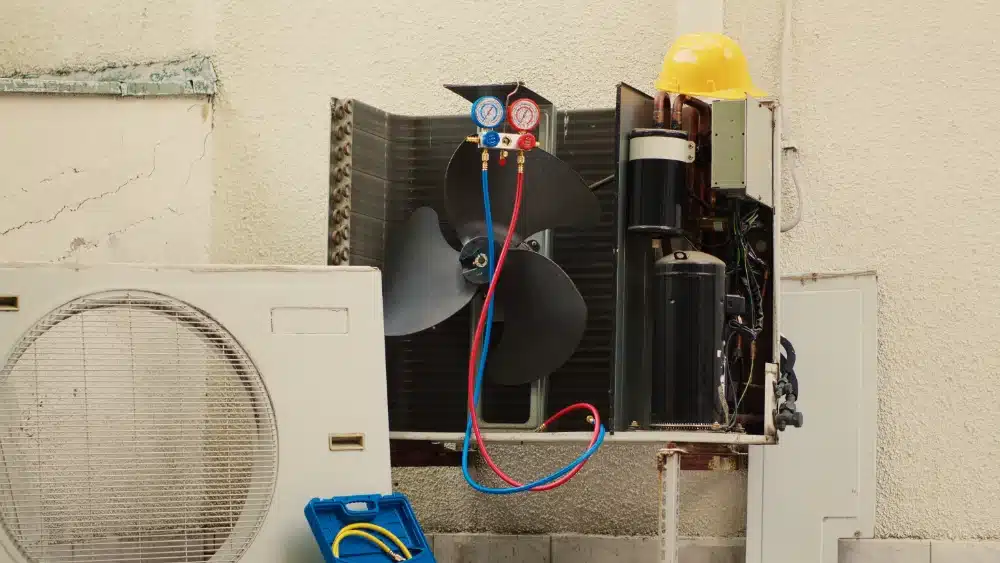
A neglected system doesn’t fail all at once — it degrades. Efficiency drops first, which shows up as a higher energy bill before anything actually breaks. From there, the most common progression is a clogged filter restricting airflow, which forces the system to run longer and harder, which eventually leads to a breakdown at the worst possible time — usually the first genuinely cold night or the first real heatwave of the year, exactly when a technician is hardest to book.
Spring HVAC Checklist (March–May)
Spring is the ideal time to service your cooling system before summer heat arrives, and technicians are far less booked than they will be in July.
- Replace furnace filter: every 1–3 months depending on filter type and household (more often with pets)
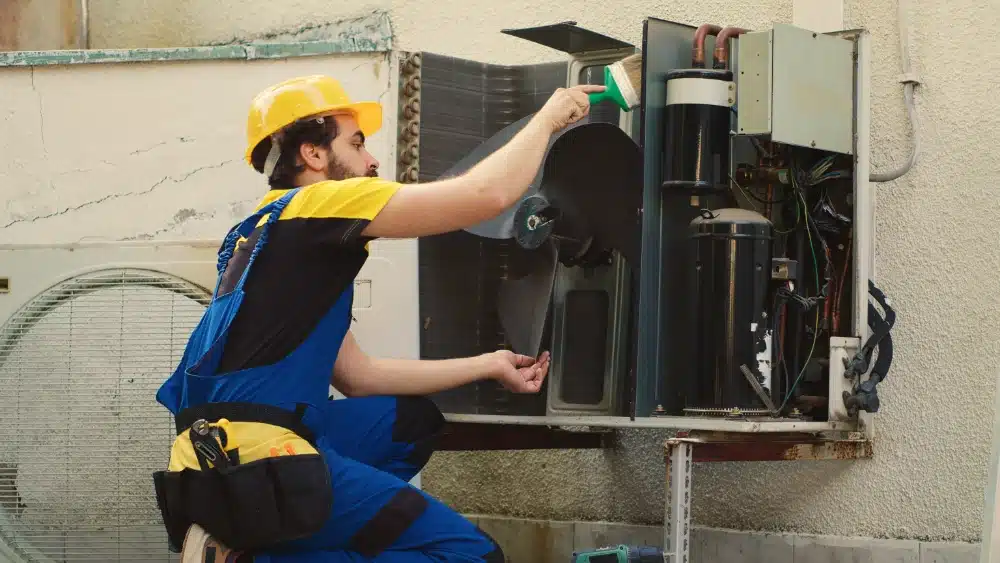
- Clean AC condenser coils: gently rinse outdoor unit fins with a garden hose to remove winter debris
- Check refrigerant lines: look for ice buildup or oily stains that indicate a refrigerant leak
- Test AC operation: run the system on a warm day before you actually need it; better to find problems now
- Clear condensate drain lines: pour a cup of diluted bleach into the drain pan to prevent algae blockages
- Inspect ductwork for leaks: seal any gaps with mastic sealant or metal tape, not standard duct tape
Of everything on this list, testing AC operation early is the one step homeowners skip most — and the one that costs the most to skip. Running the system once in April, before you actually need it, is the difference between a scheduled spring repair and an emergency call in the middle of the first heatwave when every technician in the region is already booked solid.
Summer HVAC Checklist (June–August)
Summer maintenance is less about big fixes and more about keeping a system that’s now running constantly from being pushed past its limits.
- Check and change filters monthly during heavy-use periods, a clogged filter is the #1 cause of AC breakdowns
- Keep outdoor unit clear: maintain at least 2 feet of clearance around the condenser; trim shrubs and clear debris after windstorms
- Monitor thermostat performance: if the system is short-cycling (turning on and off rapidly), call a technician
- Check vents and registers: ensure all supply and return vents are open and unobstructed by furniture
- Inspect insulation on refrigerant lines: replace any deteriorated foam insulation on the suction line
A clogged filter is worth calling out specifically because it’s responsible for more summer AC breakdowns than any other single cause. Once airflow is restricted, the system has to work harder to hit the same temperature, which raises energy bills immediately and shortens the compressor’s lifespan over time — a $15 filter is a lot cheaper than a compressor replacement.
Fall HVAC Checklist (September–November)
Fall is the most important maintenance season in BC, since it’s when your system transitions from cooling to heating and needs to be ready for months of steady use.
- Schedule a professional furnace tune-up: a certified technician inspects the heat exchanger, cleans the burners, tests ignition, checks gas pressure, and verifies safety controls
- Test carbon monoxide and smoke detectors: replace batteries and test function before heating season starts
- Inspect and clean the flue pipe: check for blockages, corrosion, or separations in the exhaust venting
- Check pilot light and ignition: on older gas furnaces, confirm the pilot lights reliably; on newer models, test the electronic ignition
- Bleed radiators (for hot water/boiler systems): release trapped air to restore heating efficiency
- Seal drafts around windows and doors: reducing infiltration cuts heating costs and system load
- Replace thermostat batteries: the last thing you want is a dead battery at midnight in January
The professional furnace tune-up is the single highest-stakes item on this entire checklist, and it’s the one task that shouldn’t be skipped or DIY’d under any circumstances. A cracked heat exchanger can leak carbon monoxide into the home — invisible, odorless, and potentially fatal — and it’s only reliably caught during a proper inspection, not something a homeowner can check by eye.
Winter HVAC Checklist (December–February)
Winter is about monitoring rather than servicing, most of the heavy maintenance should already be done, so the goal now is catching problems before they become no-heat emergencies.
- Check filter monthly: heating season means high run-time, so check and change filters regularly
- Keep outdoor heat pump components clear of snow and ice: never cover a heat pump; it needs airflow to operate
- Monitor system performance: unusual sounds like banging, screeching, or rumbling are early warning signs of mechanical failure
- Know your emergency shutoff: locate the gas shutoff valve and electrical disconnect before you need them in a crisis
- Keep interior temperatures above 13°C even when away: this protects pipes and keeps the system from overworking on return
A common point of confusion in winter is what to do about a frosted-over heat pump. Some light frost is completely normal and clears itself during the unit’s regular defrost cycle, the mistake is covering the unit to “protect” it, which blocks the airflow it needs to run and can cause more damage than the frost itself.
Seasonal Maintenance at a Glance
With four seasons of tasks covered, here’s the same information condensed into one quick-reference table.
| Season | Key Task | Why It Matters |
|---|---|---|
| Spring | Test AC before summer | Catches refrigerant leaks and failures before peak season demand |
| Summer | Change filters monthly | Prevents the #1 cause of AC breakdowns |
| Fall | Professional furnace tune-up | Catches heat exchanger cracks and CO risk before heating season |
| Winter | Monitor for unusual sounds | Early warning sign of mechanical failure before a full breakdown |
Year-Round HVAC Tips
A few habits apply regardless of season and pay off in fewer surprise repairs and lower bills over time.
- Keep a log of filter changes, service dates, and any unusual events — this helps technicians diagnose issues faster
- Upgrade to a smart thermostat (Ecobee, Nest, or similar) — setback scheduling alone can reduce heating costs by 10–15%
- Consider an annual maintenance agreement — a spring and fall inspection at a preferred rate catches most issues before they become repairs
When to Call a Professional vs. DIY
Not every item on this checklist requires a technician, but a few tasks should never be attempted without one.
Tasks You Can Safely Handle Yourself
- Filter changes
- Keeping the area around the outdoor unit clear of debris, shrubs, or snow
- Testing carbon monoxide and smoke detectors
- Replacing thermostat batteries
- Sealing obvious drafts around windows and doors
Tasks That Always Require a Licensed Technician
- Any work involving gas lines or gas appliances
- Refrigerant charging or handling — this requires a refrigerant handling certificate in BC
- Heat exchanger inspection, since a cracked one can leak carbon monoxide
- Electrical repairs to the unit or control board
- Any time the system makes a new noise, trips a breaker, or fails to heat or cool adequately
Final Checklist to Keep Your HVAC System Running Year-Round
Run through these before assuming your system is ready for the season ahead:
- Has your furnace had a professional tune-up in the last 12 months? If it’s been longer, book one before the season you rely on it most — don’t wait for the first cold snap to find out something’s wrong.
- Have you changed the filter in the last 1–3 months? If you can’t remember the last change, it’s overdue, a clogged filter is the single most preventable cause of breakdowns on this entire list.
- Are your CO and smoke detectors tested and battery-fresh? This should happen at the start of every heating season, not just when a detector starts chirping.
- Is your outdoor unit fully clear of debris, snow, or overgrowth? Restricted airflow forces the system to work harder, regardless of season.
- Have you heard any new or unusual sounds recently? Banging, screeching, or rumbling are early signals, worth a call before they turn into a no-heat or no-cool emergency.
If any answer is “no” or “not sure,” that’s the item to address first, ideally before it becomes the reason for an emergency call.